Role
03 · Multi-product Practice
Systems for consistent products
Creating reusable design tokens, component architectures, and shared UI patterns across marketplace, SaaS, fintech, and client product squads.
A design system works when it makes the next decision easier. Shared patterns turn repeated product decisions into a more dependable delivery system.
Design Systems Lead & Product Designer
Focus
Token architectures, pattern governance, developer handoff
Period
2019—Present
Tools
Figma · Design Tokens · Ant Design · HTML/CSS/Tailwind
Cross-organization product practice
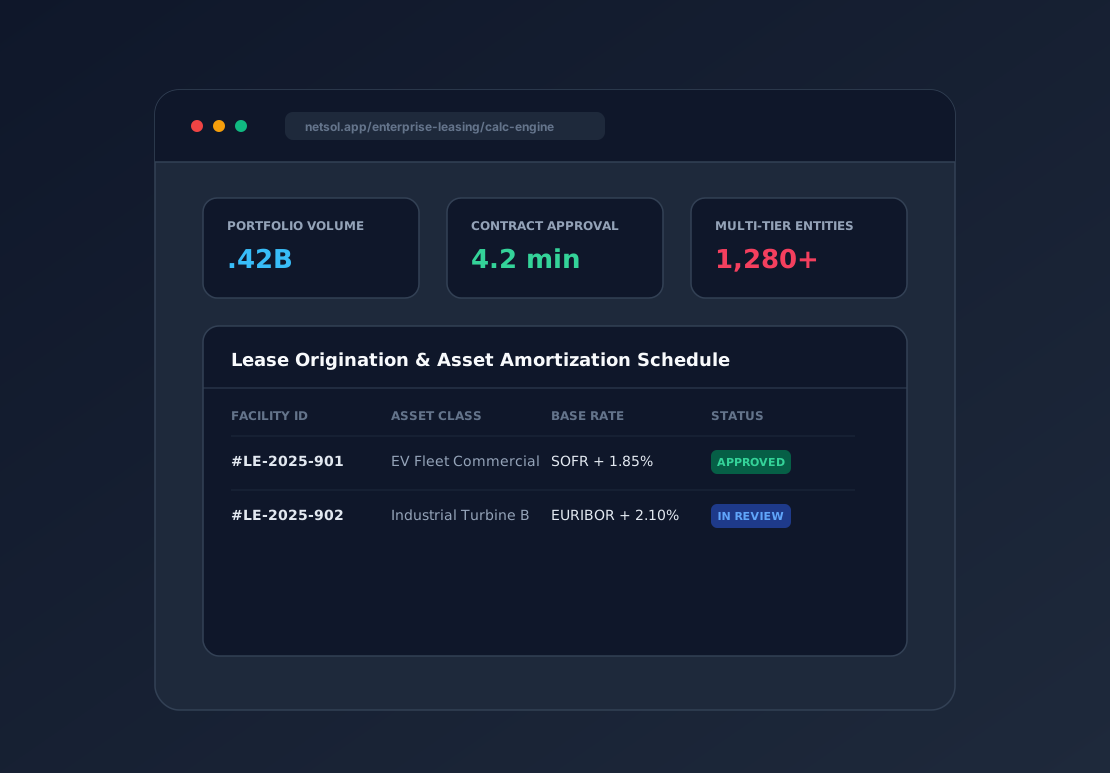
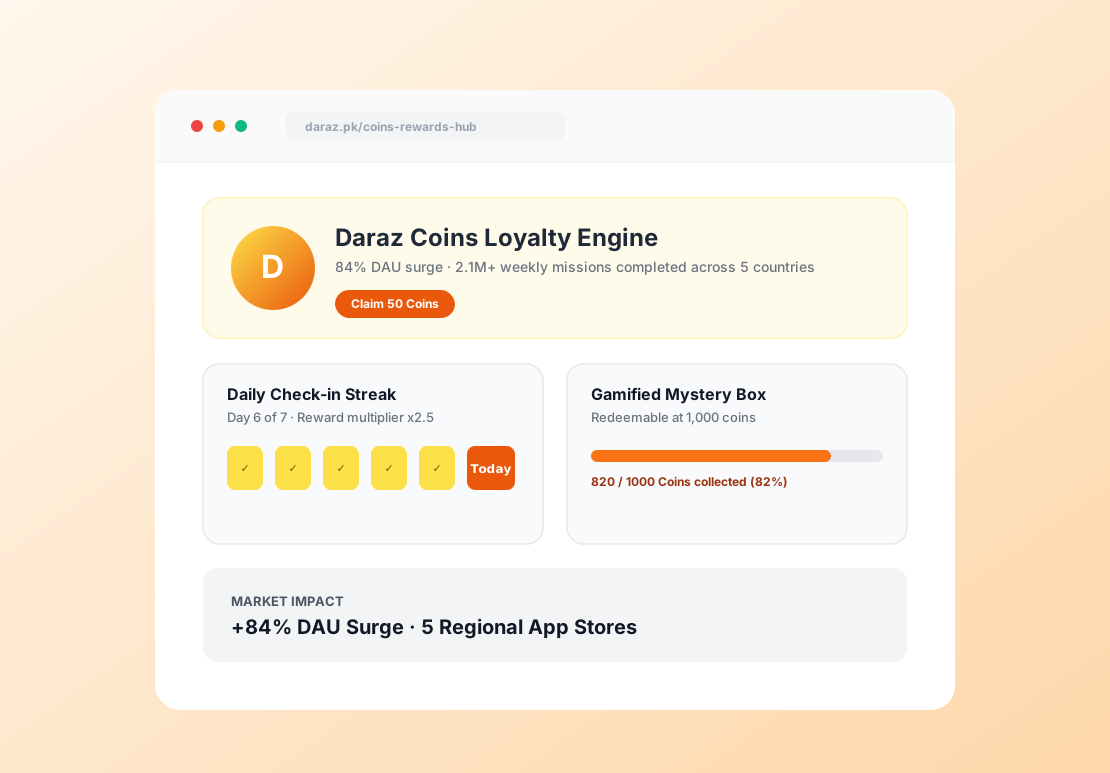
Across NETSOL Technologies, Daraz (Alibaba Group), InvoZone, and Contegris, I’ve architected design systems for products with vastly different lifecycles, user audiences, and technical maturities—from multi-sided consumer e-commerce to complex enterprise fintech portals and high-velocity SaaS products.
Without a cohesive systems approach, product squads invariably suffer from divergent UI decisions, fragmented form validations, inconsistent responsive behaviors, and bloated stylesheets that slow both designer velocity and front-end delivery.
Step 01
Discovery & Input
Identify recurring user patterns across multiple product feature requests and workflows.
Step 02
Token Abstraction
Formalize color scales, typography ramps, component states, and accessibility contrast standards.
Step 03
Code & Reuse
Package into versioned Figma component libraries and production-ready code tokens.
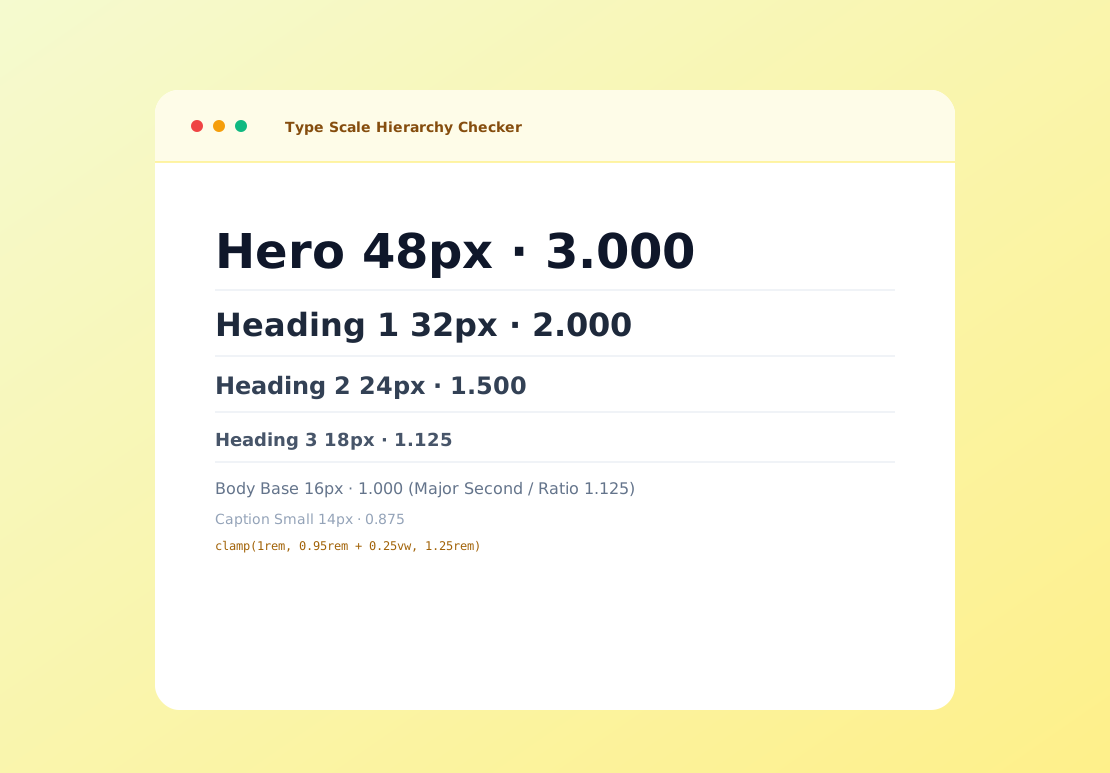
Teams lose countless hours when similar interactions behave differently across screens, component usage rules are ambiguous, or design decisions remain trapped in individual designer scratchpads. Visual inconsistency is only the superficial symptom; the deeper business expense is endless review loops, conflicting pull requests, and uncertain front-end implementation.
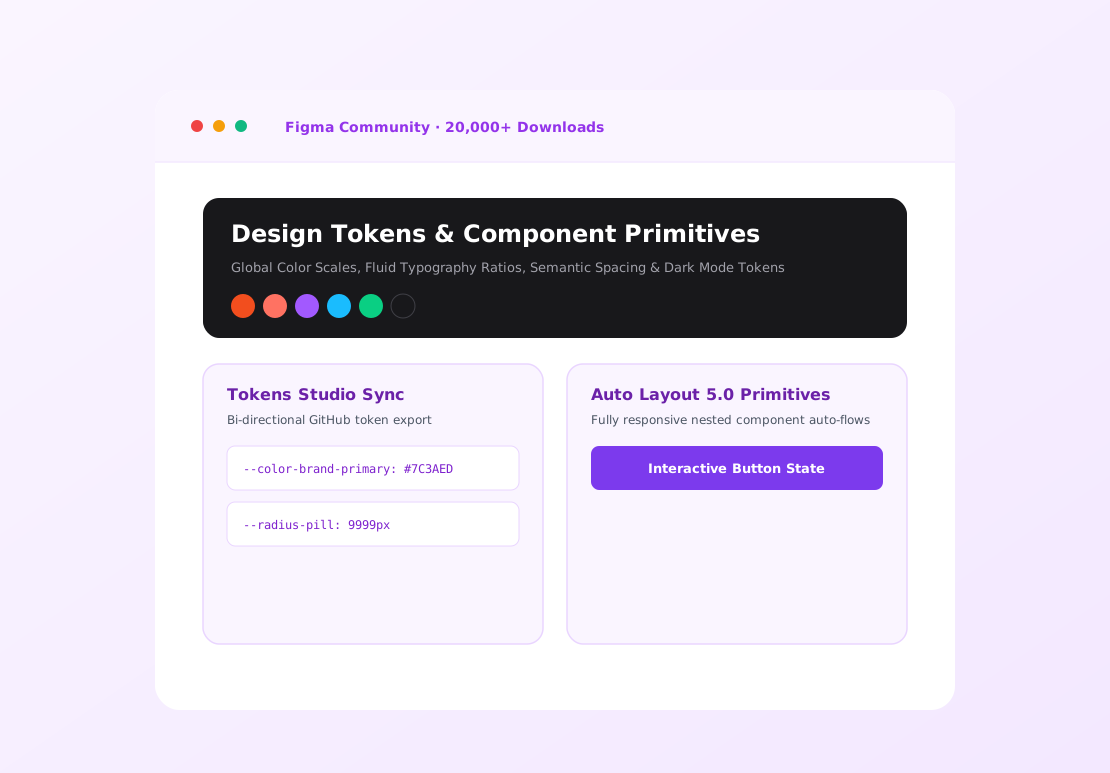
- Design token system: Built multi-tiered token hierarchies (Global, Alias, Component) ensuring automatic sync between Figma variables and front-end theme tokens.
- Enterprise form & data table patterns: Designed modular form layouts with inline micro-validation, keyboard shortcuts, and responsive data table patterns for high-density enterprise usage.
- Component documentation & guidance: Penned pragmatic usage guidelines, do’s/don’ts, and accessibility requirements (WCAG 2.1 AA focus rings, screen reader labels, color contrast).
- Community open-source: Published token frameworks and component resources that garnered over 20,000 community downloads on the Figma Community.
25% improvement in design-system efficiency at Daraz.
Reusable patterns drastically reduced redundant design rework, eliminated sprint-to-sprint visual drift, and accelerated engineering velocity. The same systemic mindset informs my daily enterprise work at NETSOL: address the immediate customer workflow today while leaving behind a scalable, documented foundation for tomorrow.